Just How Aluminum Foundry Solutions Improve Product Life-span and Reliability
Aluminum foundry solutions play a vital duty in improving the lifespan and reliability of items. Through sophisticated casting techniques and careful alloy option, producers can accomplish high accuracy and sturdiness. The natural rust resistance of light weight aluminum better prolongs product durability. As industries remain to look for ingenious designs, the light-weight nature of aluminum offers substantial benefits. The ramifications of these advantages extend beyond plain efficiency, elevating questions regarding future applications and improvements in this area.
Benefits of Aluminum in Production
Although numerous products are used in manufacturing, light weight aluminum stands out because of its one-of-a-kind mix of properties. This light-weight metal uses remarkable strength-to-weight proportion, making it an excellent selection for numerous applications. Its corrosion resistance boosts item longevity, reducing upkeep expenses with time. In addition, light weight aluminum is highly flexible, enabling intricate layouts and intricate forms, which can substantially boost the convenience of produced items.
In addition, light weight aluminum is an exceptional conductor of heat and electricity, making it useful in sectors calling for effective thermal and electrical management - Precision aluminum casting. The material is likewise recyclable, promoting sustainability in manufacturing procedures. Its natural reflectivity aids in power preservation by decreasing warm absorption in building applications. On the whole, aluminum's varied buildings not just improve product efficiency but also contribute to green practices, making it a preferred choice among suppliers going for dependability and effectiveness in their offerings
Advanced Casting Techniques for Enhanced Sturdiness
Advanced casting methods play an essential function in improving the toughness of aluminum components. Secret variables such as precision mold and mildew design, cautious alloy material option, and efficient surface area treatment methods significantly add to the total toughness and longevity of the last products. By concentrating on these aspects, producers can accomplish remarkable performance and dependability in their light weight aluminum spreadings.
Precision Mold Design
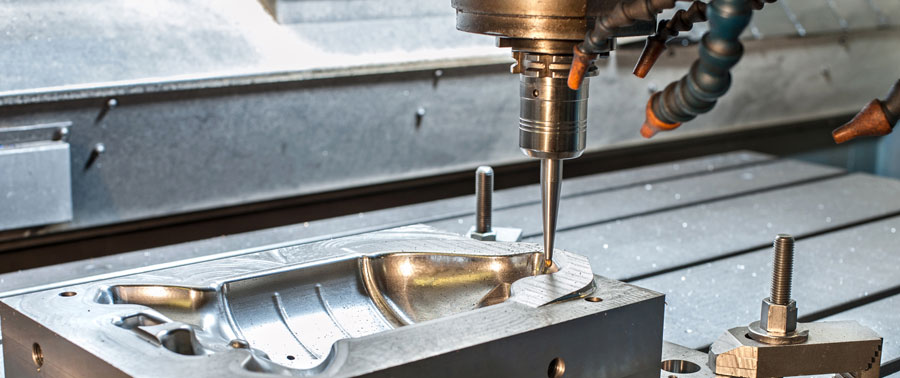
Precision mold layout plays a vital duty in the aluminum foundry market, considerably impacting the toughness and high quality of actors products. By making use of innovative strategies in mold and mildew production, suppliers can guarantee that the measurements and surface finishes of the mold and mildews meet the precise specs required for peak efficiency. This accuracy minimizes defects such as porosity and dimensional inaccuracies, which can jeopardize the stability of the final product. In addition, high-quality molds help with even warmth distribution during the casting procedure, boosting the product properties of the aluminum. The execution of computer-aided layout (CAD) and simulation technologies better refines mold and mildew layout, enabling quick prototyping and changes. Inevitably, purchasing precision mold and mildew style contributes considerably to the longevity and reliability of light weight aluminum castings in various applications.
Alloy Material Selection
The choice of appropriate alloy products substantially influences the efficiency and durability of light weight aluminum castings. Different alloy compositions, such as collection 2xxx, 6xxx, and 4xxx, offer differing staminas, corrosion resistance, and thermal buildings. Alloy 6061 is renowned for its excellent mechanical homes and weldability, making it appropriate for structural applications. On the other hand, alloy 356 is commonly preferred for its exceptional casting attributes and improved fluidity, which enhance detail reproduction and decrease defects. Furthermore, the choice of alloy can impact the casting process itself, affecting criteria like solidification prices and porosity degrees. Eventually, notified alloy option is necessary for guaranteeing that the last products satisfy specific efficiency needs and accomplish optimal long life in their desired applications.
Surface Treatment Techniques
Various surface therapy methods play a crucial role in boosting the longevity and performance of light weight aluminum spreadings. These techniques consist of anodizing, which increases deterioration resistance and surface area hardness, and powder coating, which gives a robust surface while enabling numerous aesthetic choices. Furthermore, shot peening can improve exhaustion resistance by inducing compressive tensions externally. Chemical therapies, such as conversion finishings, can better improve adhesion buildings for paints and adhesives. Each strategy targets specific performance enhancements, ensuring that light weight aluminum parts stand up to rough environments and extended usage. By executing these sophisticated surface therapies, suppliers can considerably prolong the lifespan of their products, improve integrity, and reduce upkeep expenses, eventually contributing to remarkable efficiency in various applications.
Deterioration Resistance: A Secret Benefit of Aluminum
Aluminum's all-natural oxide layer supplies considerable deterioration resistance, making it an optimal product for different applications. This fundamental longevity not only contributes to its lightweight buildings but likewise improves the durability of aluminum items. Understanding these advantages is necessary for sectors looking for lasting and trustworthy options.
All-natural Oxide Layer
An impressive attribute of aluminum is its natural oxide layer, which significantly improves its corrosion resistance. This thin, protective film kinds automatically when light weight aluminum is revealed to oxygen, creating a barrier that hinders more oxidation. Unlike other metals, this oxide layer is self-repairing; if harmed, it promptly regrows in the existence of oxygen, preserving its safety qualities. This particular especially extends the lifespan of light weight aluminum products, making them excellent for various applications, including aerospace, auto, and marine industries. Furthermore, the oxide layer can be even more enhanced through plating procedures, which raises density and enhances protective capacities. As a result, aluminum elements show amazing durability, reducing upkeep expenses and guaranteeing integrity sought after atmospheres.
Lightweight Durability
While numerous materials battle to balance weight and longevity, aluminum stands apart because of its remarkable light-weight residential or commercial properties integrated with remarkable strength. This special combination makes light weight aluminum an ideal choice for various applications, especially in industries where performance and effectiveness are paramount. Its reduced density enables easier handling and reduced transportation expenses, while its mechanical buildings guarantee that it can stand up to considerable tension without compromising integrity. Additionally, light weight aluminum's fundamental corrosion resistance, attributed official source to its all-natural oxide layer, further boosts its longevity. This resistance to environmental variables implies that aluminum elements preserve their architectural integrity gradually, making them a trusted choice for long-lasting use. Generally, aluminum's lightweight toughness settings it as a superior product sought after applications.
Boosted Durability
When taking into consideration materials for long-lasting applications, the rust resistance of aluminum emerges as a crucial benefit. Unlike several metals, light weight aluminum naturally forms a safety oxide layer that guards it from corrosive aspects, such as dampness and chemicals. This fundamental home allows aluminum to maintain its structural integrity with time, minimizing the risk of deterioration and failing. Industries such as building and construction, automobile, and aerospace benefit significantly from aluminum's resilience, as components stay dependable even in extreme atmospheres. Furthermore, the ability to stand up to oxidation lessens maintenance prices and prolongs product lifespan. By selecting light weight aluminum foundry options, manufacturers can assure that their products not only perform remarkably yet also withstand the examination of time, ultimately enhancing client satisfaction and count on.
Impact of Lightweight Products on Product Layout
Exactly how do light-weight products transform item design? The combination of lightweight products, such as light weight aluminum, greatly influences the engineering and capability of products. These products allow developers to produce more efficient and innovative solutions by minimizing weight without endangering structural honesty. This weight reduction causes enhanced efficiency, enhanced gas performance in transport, and better ease of managing in making procedures.
Light-weight materials facilitate elaborate designs that were formerly unreachable with much heavier alternatives. This flexibility enables for the unification of innovative functions and aesthetics, enhancing the total charm of the product. Additionally, using lightweight products adds to sustainability efforts by lowering energy usage throughout production and use. As sectors progressively focus on resilience and efficiency, lightweight materials are ending up being crucial in product design, leading to longer-lasting and a lot more trusted end results. In this method, their effect on product design is multifaceted and extensive, driving innovation throughout various sectors.
Case Studies: Success Stories in Numerous Industries
Many sectors have actually used the advantages of lightweight light weight aluminum solutions, bring about amazing advancements in item design and efficiency. In the auto industry, suppliers have adopted light weight aluminum parts to enhance fuel performance and lower overall lorry weight. A leading car supplier reported a 20% reduction in weight throughout its fleet, resulting in enhanced velocity and lower exhausts.
In the customer electronic devices area, business have utilized light weight aluminum coverings to provide resilience while maintaining a streamlined aesthetic. A major technology my latest blog post brand name noted that its aluminum-enclosed devices experienced less problems, leading to greater consumer satisfaction and decreased warranty claims. These case researches exemplify light weight aluminum's transformative impact throughout various sectors.
Future Trends in Aluminum Foundry Solutions
As industries continue to prioritize sustainability and effectiveness, future trends in aluminum foundry solutions are anticipated to concentrate on sophisticated production methods and ingenious alloys. One significant fad is the adoption of additive manufacturing, or 3D printing, which improves design versatility and minimizes waste. This modern technology enables the creation of complicated geometries that standard approaches can not attain, bring about lighter yet more powerful parts.
Additionally, the growth of environment-friendly alloys is gaining momentum, targeted at lowering the environmental impact of aluminum production. These brand-new products might incorporate recycled material and reduce harmful emissions during the casting procedure.
Automation and expert system are likewise readied to transform foundry procedures, improving and maximizing processes high quality control. Anticipating upkeep methods will certainly even more improve integrity by identifying prospective failures prior to they occur. Collectively, these patterns promise to raise the efficiency and sustainability of light weight aluminum foundry remedies in various markets.
Frequently Asked Concerns
What Industries Benefit Most From Aluminum Foundry Solutions?
The auto, aerospace, and building markets benefit considerably from aluminum foundry remedies. Aluminum Foundry. These fields make use of lightweight, durable materials to improve efficiency, lower costs, and improve total effectiveness in their production processes and end items
Just How Does Aluminum Impact Production Prices Long-Term?
Aluminum's lightweight nature and corrosion resistance contribute to lower long-term production expenses by minimizing material costs, enhancing power effectiveness, and reducing upkeep needs, ultimately causing greater earnings throughout numerous industries reliant on sturdy elements.
What Is the Recycling Process for Aluminum Products?
The reusing procedure for aluminum products entails collection, sorting, melting, shredding, and improvement. This effective cycle lowers energy intake and waste, permitting recycled aluminum to be reused in various applications, consequently advertising sustainability in manufacturing.
Can Aluminum Foundry Solutions Be Customized for Specific Applications?
Yes, light weight aluminum foundry solutions can be customized for certain applications. Makers typically tailor processes, materials, and develops to satisfy unique demands, ensuring peak performance and effectiveness in numerous industrial and customer products.
Just How Do Aluminum Foundry Solutions Contrast to Various Other Materials?
Aluminum foundry solutions supply advantages like lightweight residential or commercial properties, corrosion resistance, and outstanding thermal conductivity compared to other products. These characteristics commonly result in better performance, making light weight aluminum a recommended choice for various applications in manufacturing.
Aluminum foundry services play an essential role in enhancing the life expectancy and integrity of items. The all-natural deterioration resistance of light weight aluminum further prolongs product longevity. Accuracy mold design plays an essential function in the aluminum foundry industry, considerably impacting the toughness and top quality of actors products. The combination of light-weight products, such as light weight this aluminum, considerably affects the engineering and performance of products. Many sectors have actually harnessed the benefits of lightweight aluminum solutions, leading to impressive improvements in item layout and performance.